Blog

  • The rise of retailtainment in dutch shopping districts

    Overview

    The retail landscape in the Netherlands is undergoing a significant transformation, driven by evolving consumer expectations and emerging retailtainment trends. Traditional shopping districts are no longer just about transactions; they have become vibrant hubs where entertainment and retail converge to offer an enriched shopping experience. This shift is particularly noticeable in Dutch retail centers, where merchants are innovating to captivate consumers and enhance their engagement.

    As online shopping grows, physical retail faces the challenge of maintaining foot traffic and customer loyalty. Retailtainment—blending retail with entertainment—emerges as a strategic response to this challenge. By integrating immersive experiences, interactive elements, and social activities, Dutch shopping districts are redefining how people shop and spend leisure time.

    Entertainment retail is proving to be a powerful tool in urban commercial planning, contributing not only to increased sales but also to a more dynamic and attractive city atmosphere. The rise of retailtainment aligns with broader urban trends, emphasizing experience economy principles where consumers value memorable, engaging encounters over mere product acquisition.

    “Retailtainment is reshaping Dutch shopping districts by turning retail spaces into destinations where consumers seek enjoyment as much as products.”

    This article explores the definition of retailtainment, its notable examples in the Netherlands, the benefits it yields for retailers, consumer engagement techniques, and its promising future in the Dutch market.

    Generated Image

    Definition of retailtainment

    Retailtainment is a marketing and retail strategy that combines shopping with entertainment to create an immersive and engaging environment for consumers. It goes beyond traditional retail by incorporating elements such as live events, interactive displays, themed environments, and digital experiences to transform shopping centers into experiential destinations.

    This concept aims to stimulate the senses, evoke emotions, and foster social interaction, thereby enhancing the overall shopping experience. Retailtainment blurs the lines between commerce and leisure, encouraging customers to spend more time in stores or shopping districts, which often leads to increased sales and stronger brand loyalty.

    Fundamentally, retailtainment capitalizes on the rising consumer demand for experiences rather than just products. In the context of Dutch retail, it involves tailoring these entertaining elements to local culture and consumer preferences, making shopping districts more vibrant and destination-worthy.

    Key characteristics of retailtainment include:

    • Immersive environments: Themed decor and sensory stimulation.
    • Interactive experiences: Opportunities for hands-on participation.
    • Live entertainment: Performances, workshops, or events within retail spaces.
    • Technology integration: Use of augmented reality, virtual reality, or digital installations.
    • Social engagement: Creating spaces for community interaction and socializing.

    Consumer engagement through retailtainment is a driving force in modern retail strategies, particularly as businesses compete with the convenience of e-commerce by offering unique in-person experiences.

    Examples in the Netherlands

    The Netherlands has embraced retailtainment with various innovative implementations across its cities. Dutch shopping districts are increasingly incorporating entertainment elements that resonate with local consumers while enhancing consumer engagement and footfall.

    One compelling example is the Rotterdam Warme Winter Weken, where the city center transforms into a festive winter wonderland featuring light installations, entertainment stages, and interactive activities. This event not only boosts the atmosphere but also supports retailers by attracting visitors during the crucial holiday season.

    In Amsterdam, flagship stores like the newly opened HOFF store on Leidsestraat integrate unique design elements and interactive zones that invite shoppers to explore the brand story in an engaging way. These types of entertainment retail formats are becoming increasingly popular as they provide an experiential layer that traditional stores lack.

    Another notable example lies in the southern region of Zuid-Limburg, where shopping streets organize seasonal events and cultural festivals that blend retail with local traditions, music, and gastronomy. These initiatives create a festive ambiance that encourages longer visits and repeat patronage.

    Moreover, mixed-use developments in cities such as Amstelveen, with projects like Redevco’s sustainable retail flagship transformation, incorporate retailtainment concepts within a broader urban context, combining shopping with leisure and community experiences.

    These examples demonstrate how Dutch retail districts actively leverage entertainment to revitalize shopping areas and compete effectively in an evolving retail landscape.

    Benefits for retailers

    Retailtainment offers multiple advantages for retailers operating within Dutch shopping districts, making it a strategic approach to counteract the challenges posed by online shopping and changing consumer behaviors.

    First and foremost, retailtainment enhances consumer engagement by creating memorable experiences that foster emotional connections between shoppers and brands. This emotional resonance often translates into increased loyalty and higher conversion rates.

    By integrating entertainment elements, retailers can differentiate themselves in a crowded market, making their stores or districts stand out and become destinations rather than mere points of purchase. This differentiation is crucial in attracting diverse consumer segments, including younger generations who value experiences highly.

    Retailtainment also encourages consumers to spend more time in retail environments, which typically correlates with increased spending. The longer a shopper remains engaged, the more opportunities arise for cross-selling and upselling.

    Additionally, these strategies can generate valuable word-of-mouth marketing and social media buzz, amplifying brand reach organically. Events and immersive experiences often prompt consumers to share their visits online, enhancing visibility for retailers.

    Finally, retailtainment can contribute to revitalizing entire shopping districts, benefiting not only individual retailers but also landlords, municipalities, and the local economy by increasing foot traffic and reducing retail vacancy rates.

    “Retailtainment transforms retail spaces into destinations, offering retailers a competitive edge through enhanced consumer engagement and increased dwell time.”

    Consumer engagement techniques

    Effective consumer engagement is at the heart of retailtainment, and Dutch retailers employ a variety of techniques to captivate shoppers and elevate the shopping experience. These techniques focus on interaction, personalization, and creating emotional connections.

    Interactive installations are widely used to invite customers to participate actively rather than passively observe. This can include touchscreens, virtual fitting rooms, or gamified shopping elements that make the experience fun and memorable.

    Live events and performances such as music concerts, art exhibitions, and workshops provide dynamic entertainment that draws crowds and creates a festive ambiance in shopping districts. These events often tie in with product launches or seasonal promotions.

    Technology integration plays a pivotal role, with augmented reality (AR) and virtual reality (VR) experiences allowing consumers to engage with products in innovative ways. For example, AR apps can enable shoppers to visualize furniture in their homes or try on virtual makeup.

    Personalization and storytelling are also essential. Retailers use data insights to tailor recommendations and experiences to individual shoppers, making interactions more relevant and impactful.

    Community-building activities like social spaces, pop-up markets, and local collaborations encourage social interaction and create a sense of belonging, which deepens consumer engagement.

    • Immersive sensory experiences (lighting, sound, scent)
    • Exclusive access and VIP events
    • Loyalty programs tied to experiential rewards
    • Collaborations with influencers and artists

    These consumer engagement techniques exemplify how entertainment retail in the Netherlands is evolving to meet modern shopper expectations and strengthen Dutch retail’s appeal.

    Generated Image

    Future of retailtainment

    The future of retailtainment in Dutch shopping districts looks promising, with ongoing innovation and increasing adoption across the retail sector. As consumer preferences continue to evolve, entertainment retail is expected to become even more integral to the Dutch retail ecosystem.

    Advancements in technology will play a significant role, with more sophisticated use of AR, VR, and artificial intelligence (AI) to create hyper-personalized and immersive experiences. These technologies will enable retailers to blend physical and digital shopping seamlessly, offering consumers the best of both worlds.

    Additionally, sustainability and social responsibility are becoming critical considerations. Retailtainment concepts that incorporate sustainable practices and foster community well-being will resonate strongly with Dutch consumers, especially younger demographics.

    The integration of retailtainment with mixed-use urban developments will likely accelerate, creating multifunctional spaces that combine shopping, entertainment, work, and living. These developments will redefine how people interact with retail districts, emphasizing convenience, experience, and social interaction.

    “The evolution of retailtainment will be shaped by technology, sustainability, and the desire for authentic, community-driven experiences.”

    Moreover, collaborations between retailers, local governments, and cultural institutions will be key to sustaining vibrant shopping districts. By aligning retailtainment initiatives with local culture and consumer needs, Dutch retail can maintain a competitive edge in a globalized market.

    Conclusion

    The rise of retailtainment in Dutch shopping districts marks a transformative shift in how retail operates and engages with consumers. By blending entertainment with commerce, Dutch retailers are creating dynamic environments that offer much more than traditional shopping, enhancing the overall shopping experience and driving deeper consumer engagement.

    Examples from cities like Rotterdam, Amsterdam, and regions such as Zuid-Limburg illustrate the tangible benefits and innovative applications of retailtainment. Retailers stand to gain increased foot traffic, sales, and brand loyalty by adopting these strategies, while consumers enjoy more immersive and enjoyable shopping occasions.

    Looking forward, retailtainment will continue to evolve, leveraging technology and sustainability trends to meet the demands of modern shoppers. This approach positions Dutch retail not only to thrive in an increasingly competitive landscape but also to contribute positively to vibrant, lively urban centers.

    For retailers and urban planners alike, embracing retailtainment is essential for sustaining growth and relevance in the future of Dutch retail.


  • Top signs your roof needs immediate repair

    Overview

    Your roof is one of the most critical components of your home, shielding you from the elements and ensuring your comfort and safety. However, roofs endure constant exposure to weather extremes such as rain, wind, snow, and sunlight, which can gradually cause wear and tear. Timely roof repair and regular roof maintenance are essential to preserve its integrity and prevent costly damage.

    Recognizing the signs your roof needs immediate repair is vital for every homeowner. Ignoring these warning signs can lead to extensive structural problems, compromised insulation, and even health hazards due to mold or mildew. This article covers the most common roof damage signs, how to detect roof leaks early, and why prompt repairs are necessary.

    Whether your roof is flat, pitched, or tiled, understanding when to call a professional roofer can save you time and money while extending your roof’s lifespan. By learning these key indicators and maintenance tips, you can keep your home protected year-round.

    Generated Image

    Common Roof Damage Indicators

    Spotting roof damage signs early is crucial to addressing problems before they escalate. Some of the most frequent indicators that your roof requires immediate attention include:

    • Missing or damaged shingles: Shingles that are cracked, curling, or missing expose your roof to water infiltration and wind damage.
    • Granule loss: Excessive granules in gutters or on the ground suggest your shingles are deteriorating and losing their protective layer.
    • Damaged flashing: Flashing around chimneys, vents, or skylights that is cracked or rusted can cause leaks.
    • Visible sagging: Any sagging areas in your roof structure may indicate compromised support and require professional evaluation.
    • Moss or algae growth: While moss can retain moisture and accelerate decay, algae may discolor shingles and reduce their effectiveness.
    • Clogged or damaged gutters: Poor drainage can cause water buildup that leads to roof leaks and damage to the eaves.

    Regularly inspecting these areas, especially after storms or harsh weather, helps you catch issues early. If you notice any of these signs, it’s a strong indication that roof repair should not be delayed.

    How to Spot Leaks Early

    Roof leaks are often the first visible sign of a compromised roof, but they can be tricky to detect before damage becomes severe. Early detection is vital to prevent water damage to ceilings, walls, insulation, and structural elements.

    To spot leaks promptly, homeowners should look for:

    • Water stains or discoloration: Look for yellow or brown patches on ceilings and walls, especially after heavy rain.
    • Peeling or bubbling paint: Excess moisture behind walls can cause paint to peel or bubble around roof edges.
    • Damp or musty odors: Persistent damp smells inside your home might indicate hidden water intrusion.
    • Dripping water or moisture: In attics or near roof vents, any visible water needs immediate attention.

    “Even minor leaks should be addressed quickly, as they can expand into costly repairs affecting insulation, wood framing, and indoor air quality.”

    Conduct regular attic inspections, especially after storms, and consider scheduling professional roof inspections annually or after severe weather to identify leaks that are not visible from the ground.

    Importance of Timely Roof Repairs

    Performing roof repair as soon as damage is detected is essential to maintain your home’s safety and value. Timely repairs prevent small issues from escalating into major structural problems that are expensive and time-consuming to fix.

    Some key benefits of addressing roof damage promptly include:

    • Preserving structural integrity: Repairing leaks and damage protects the wooden framework from rot and weakening.
    • Preventing mold and mildew: Moisture intrusion can lead to harmful mold growth, affecting indoor air quality and health.
    • Enhancing energy efficiency: A well-maintained roof improves insulation, helping reduce heating and cooling costs.
    • Extending roof lifespan: Regular maintenance and repairs can significantly prolong the life of your roofing materials.
    • Protecting property value: A sound roof is a key selling point when putting your home on the market.

    Roof maintenance should be part of your annual home care routine to catch issues early and avoid emergency repairs. Investing in quality materials and expert service also ensures long-lasting protection.

    Generated Image

    Effects of Delayed Maintenance

    Delaying necessary roof repair can lead to severe consequences that impact your home’s safety, comfort, and finances. Ignoring early warning signs often results in:

    • Extensive water damage: Persistent leaks can damage ceilings, walls, insulation, and even electrical wiring, posing safety risks.
    • Wood rot and structural weakening: Moisture penetration causes wooden components to decay, potentially compromising the entire roof system.
    • Increased repair costs: What could start as a minor shingle replacement may turn into full roof replacement or costly interior repairs.
    • Mold and mildew growth: These not only damage building materials but also contribute to health problems like allergies and respiratory issues.
    • Reduced home value: A damaged roof can deter buyers or lower the resale price of your property.

    “Timely roof maintenance is a proactive way to avoid the stress and expense of emergency repairs and safeguard your home’s longevity.”

    To minimize these risks, schedule regular inspections and address even small issues without delay.

    When to Call a Professional Roofer

    Knowing when to consult a professional roofer is key to ensuring safe and effective roof repairs. While minor cleaning and maintenance can be DIY tasks, certain situations demand expert intervention:

    • Visible damage after storms: High winds, hail, or heavy snow can cause structural damage that requires professional assessment.
    • Signs of leaks or moisture indoors: Persistent or unexplained water intrusion needs specialized diagnosis and repair.
    • Roof age and wear: Older roofs or those with widespread shingle deterioration benefit from professional inspection and maintenance.
    • Complex roof designs: Pitched roofs, multiple layers, or roofs with skylights and chimneys require expertise for safe repair.
    • Safety concerns: Roof work involves heights and specialized equipment; professionals are trained to perform repairs safely.

    Professional roofers also provide thorough inspections, quality materials, and warranties on their work, giving you peace of mind. For reliable services, consider experienced providers with positive customer reviews and proper certifications. For example, companies like Dakrenovation experts offer comprehensive roofing solutions tailored to your needs.

    Conclusion

    Your roof plays an indispensable role in protecting your home, and recognizing the top signs your roof needs immediate repair is essential for every homeowner. From damaged shingles and flashing to early signs of roof leaks, timely detection and repair can save you significant time, money, and stress.

    Regular roof maintenance and annual inspections by a trusted professional roofer ensure that minor issues don’t become major headaches. Ignoring damage can result in costly repairs, structural risks, and reduced home value.

    Investing in prompt roof repair and maintenance safeguards your home’s comfort, safety, and longevity. If you notice any signs of roof damage or leaks, contact a certified roofing specialist as soon as possible to protect your investment effectively.

  • Boost your website ranking with automated seo tools

    Overview

    Boosting your website ranking has become an essential goal for any business seeking to increase visibility and attract more organic traffic. With the rapid evolution of search engines and the increasing competition online, traditional SEO methods alone may no longer be sufficient. This is where automated SEO tools come into play, offering innovative solutions to streamline and enhance optimization strategies.

    Automated SEO refers to the use of advanced software and AI technologies to perform SEO tasks that typically require manual effort. These tools analyze your website’s content, structure, and performance to identify areas for improvement and implement changes directly or provide actionable insights. By leveraging automation, businesses can maintain a competitive edge by regularly optimizing their web presence without the constant need for expert intervention.

    The primary purpose of SEO is to improve a website’s ranking on search engines such as Google, Bing, and Yahoo. Higher rankings lead to increased visibility, which translates into more visitors and greater opportunities for conversions. Automated SEO tools facilitate this by ensuring your website consistently aligns with the latest search engine algorithms and best practices.

    “66% of online research starts on a search engine, and 51% of website traffic typically comes from organic SEO rankings.”

    These statistics highlight the critical importance of maintaining a strong SEO strategy. Automated SEO tools help businesses stay ahead by providing real-time recommendations and executing on-page adjustments, all while allowing business owners to focus on their core activities. Whether you’re a beginner or an experienced marketer, embracing automation can transform your website’s SEO performance and ultimately drive growth.

    Generated Image

    Benefits of Automated SEO

    Implementing automated SEO tools offers numerous advantages that can significantly impact your website ranking and overall online success. These tools not only enhance your SEO strategy but also simplify the optimization process, making it accessible to users regardless of their technical expertise.

    One of the key benefits is saving time SEO professionals and website owners spend on manual tasks. Automated systems continuously monitor your site, analyze performance, and suggest improvements based on the latest data. This means less time spent on tedious audits and more time focused on growing your business.

    Additionally, automated SEO tools deliver real-time on-page SEO adjustments. Instead of waiting for periodic reviews, your website can dynamically improve elements such as meta tags, content structure, and keyword placements. This ongoing optimization helps maintain and improve your rankings consistently.

    Cost efficiency is another major advantage. By reducing the need for external SEO consultants or agencies for routine tasks, businesses can lower their marketing expenditures. Automated tools also help minimize ad spend by boosting organic traffic through improved visibility.

    • Continuous SEO monitoring and updates
    • Improved website visibility and organic traffic growth
    • Reduced need for technical SEO knowledge
    • Lower operational costs compared to manual SEO efforts

    Furthermore, these tools empower even beginners with easy-to-use interfaces and actionable insights. The integration of automated SEO into your marketing arsenal ensures your website stays optimized in a fast-changing digital landscape, providing a competitive edge without overwhelming resources.

    How AI Improves SEO

    AI SEO tools represent the cutting edge of automated SEO technology, revolutionizing how websites are optimized for search engines. Artificial intelligence enables these tools to analyze vast amounts of data and identify patterns that humans might overlook.

    By leveraging machine learning algorithms, AI can predict which keywords and content strategies will yield the best results for your specific niche and audience. This predictive capability allows for more precise targeting and content optimization, helping increase your website ranking faster and more efficiently.

    AI-powered tools also enhance keyword research by uncovering long-tail keywords and semantic variations that improve relevancy and search engine understanding. Moreover, they assist in competitor analysis by tracking how rival websites perform and adapting your SEO strategy accordingly.

    In addition to data analysis, AI can automate content creation and optimization. For example, some tools generate SEO-friendly blog content, meta descriptions, and title tags that are aligned with current best practices. This not only saves time but also ensures that content remains fresh and relevant.

    “Our AI automation tool works 24/7 to make sure your website is easy to find for your customers.”

    Overall, AI enhances SEO by making it smarter, faster, and more adaptive. The combination of real-time data processing and intelligent automation empowers businesses to maintain high search engine rankings with less manual effort, driving sustainable organic growth.

    On-page SEO Adjustments

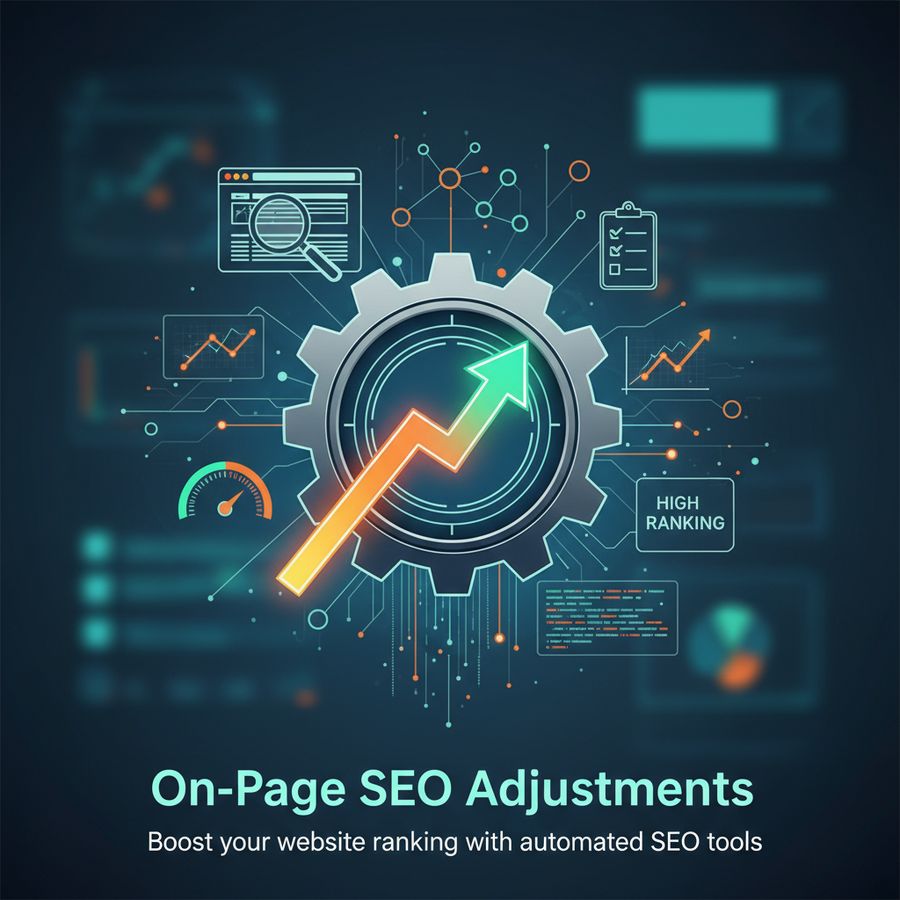
    On-page SEO refers to all the optimizations made directly within your website’s pages to improve search engine rankings and user experience. Automated tools excel at making these adjustments in real-time, ensuring your site stays optimized without constant manual updates.

    Key on-page elements that benefit from automation include title tags, meta descriptions, header tags, image alt text, internal linking, and keyword placement. By analyzing your website structure and content, automated SEO tools identify opportunities to enhance these elements, improving both relevancy and crawlability by search engines.

    For example, an automated system might suggest or implement the inclusion of target keywords in strategic locations, optimize URL structures, or improve page load speeds—all crucial factors for ranking well. Additionally, automated tools can generate SEO-friendly blog content that supports your main pages, increasing topical authority.

    • Automatic meta tag optimization
    • Content structure enhancements with header tags
    • Image optimization with descriptive alt attributes
    • Internal linking recommendations for better navigation
    • Page speed improvements

    No technical skills are required to benefit from these on-page SEO adjustments, as the automation handles the technical details behind the scenes. This makes on-page SEO accessible for business owners and marketers who want to focus on content and strategy rather than code.

    By continuously refining these aspects of your website, automated SEO ensures your pages remain competitive in search engine results pages (SERPs), driving increased organic traffic and improving your website ranking.

    Generated Image

    Saving Time with Automation

    One of the most compelling reasons to adopt automated SEO is the significant amount of time you can save. SEO traditionally involves many repetitive and time-consuming tasks such as keyword research, site audits, content optimization, and performance monitoring.

    Automated tools streamline these processes by performing continuous analysis and delivering actionable recommendations or implementing changes directly. This allows you to save time SEO professionals or business owners otherwise spend on manual optimization.

    For example, an SEO expert typically completes around 12 optimizations per hour, but automated tools can scale this effort exponentially across multiple pages and websites without downtime or human error. This efficiency translates into faster improvements in search rankings and better resource allocation.

    Moreover, automated SEO is based on real-time data, so your website’s optimization remains current with evolving search engine algorithms. You no longer need to worry about outdated strategies or missed opportunities, as automation works 24/7 to keep your site optimized.

    “Automated processes help you spend less time on website optimization and more time for your passion.”

    By reducing the manual workload, automated SEO enables you to focus on other critical aspects of your business, such as product development, customer engagement, and marketing strategy. This combination of efficiency and effectiveness makes automation an indispensable part of modern SEO.

    Easy SEO for Beginners

    Automated SEO tools are designed with user-friendliness in mind, making SEO accessible for beginners who may lack technical expertise. These tools provide intuitive interfaces and clear recommendations that empower business owners to improve their website ranking without needing to understand complex SEO jargon or coding.

    Beginners benefit from features such as step-by-step SEO suggestions, automated on-page adjustments, and content creation assistance. The tools often include dashboards that visually represent SEO performance and progress, helping users track their improvements and understand what actions to take next.

    With automated SEO, you don’t have to hire costly experts or agencies to compete in search engine results. Instead, you can rely on technology that constantly optimizes your website based on proven SEO principles and real-time data.

    • No technical skills required to implement SEO improvements
    • Automated content generation and optimization
    • Clear insights and easy-to-follow recommendations
    • Compatibility with various website platforms

    This ease of use lowers the barrier to entry for effective SEO, enabling even small businesses and startups to enhance their online presence. By leveraging automated SEO tools, beginners can confidently build a strong foundation for long-term organic growth.

    Conclusion

    In today’s competitive digital landscape, improving your website ranking is crucial for attracting organic traffic and growing your business. Automated SEO tools powered by AI offer a transformative approach to achieving this goal by providing real-time optimization, saving time SEO professionals typically spend on manual tasks, and making SEO accessible to users of all skill levels.

    From on-page SEO adjustments to continuous monitoring and content optimization, automation streamlines the entire SEO process. It reduces costs, enhances efficiency, and ensures your website remains aligned with the latest search engine algorithms.

    “Focus on your passion, leave website ranking to us.”

    By embracing automated SEO, businesses can enjoy increased visibility, sustained organic growth, and a competitive advantage in search results. Whether you’re a seasoned marketer or a beginner, integrating AI-powered SEO tools into your strategy is a smart investment for long-term success.

  • Effective seo strategies for small businesses in mumbai

    Overview

    SEO strategies have become an indispensable part of any successful digital marketing plan, especially for small businesses looking to establish a strong online presence. In a bustling metropolis like Mumbai, where competition is fierce and consumer choices are abundant, implementing effective SEO approaches can significantly enhance visibility and customer acquisition. This article explores practical and result-driven SEO strategies tailored specifically for small business SEO in Mumbai.

    The dynamic market of Mumbai requires local businesses to be more than just physically accessible; they must be digitally prominent. With the growing use of smartphones and internet penetration, customers now search online before making purchase decisions. Therefore, small businesses must capitalize on this trend by optimizing their websites and online content to appear prominently in search engine results pages (SERPs).

    Effective SEO strategies encompass multiple facets, from understanding the local market nuances to technical on-page optimization and authoritative link building. This comprehensive approach ensures that a business not only attracts more traffic but also engages and converts visitors into loyal customers. Emphasizing local SEO in Mumbai, conducting thorough keyword research, optimizing on-page elements, and continuously tracking performance are all vital steps to stay ahead in this competitive landscape.

    “In Mumbai’s competitive environment, small businesses that embrace tailored SEO strategies will unlock greater visibility, enhanced customer engagement, and sustained growth.”

    In the following sections, we delve deeper into these strategies, providing actionable insights for small businesses aiming to thrive in Mumbai’s digital ecosystem.

    Generated Image

    Importance of Local SEO

    Local SEO Mumbai is a cornerstone for small businesses that want to capture their immediate market. Unlike broad SEO tactics, local SEO targets geographically specific searches, connecting businesses with potential customers in their vicinity. For Mumbai-based enterprises, leveraging local SEO means appearing in search results when people look for products or services nearby, increasing the likelihood of foot traffic and conversions.

    One of the primary advantages of local SEO is its ability to promote business visibility on platforms like Google My Business (GMB), Google Maps, and local directories. By optimizing these listings with accurate contact details, business hours, and customer reviews, small businesses can significantly improve their credibility and ranking in local search results.

    Why is local SEO critical?

    • Higher Conversion Rates: Local searches often have higher intent, meaning users are closer to making a purchase decision.
    • Cost-Effective Marketing: Compared to traditional advertising, local SEO offers targeted exposure to nearby customers, maximizing marketing ROI.
    • Mobile Search Optimization: Many local searches happen on mobile devices, and local SEO ensures your business is visible to on-the-go users.
    • Builds Trust and Authority: Positive local reviews and accurate business information foster trust among potential customers.

    “For small businesses in Mumbai, local SEO is not just an option—it’s a necessity to be found by customers actively seeking local solutions.”

    Implementing a robust local SEO Mumbai strategy involves claiming and optimizing your Google My Business profile, acquiring genuine customer reviews, and creating localized content that resonates with the Mumbai audience. These efforts collectively position your business as a relevant and reliable choice within the local community.

    Keyword Research Tips

    Keyword research is the foundational step in crafting any effective SEO strategy. For small business SEO in Mumbai, identifying the right keywords means understanding what your target audience is searching for and how they phrase their queries. The goal is to select keywords that balance search volume, competition, and relevance.

    Here are some actionable tips for conducting keyword research tailored to Mumbai’s market:

    • Focus on Local Intent: Incorporate location-specific keywords such as “Mumbai,” “Kurla,” or “BKC” to capture local search traffic. For example, “best bakery in Mumbai” or “SEO services in Kurla.”
    • Use Long-Tail Keywords: These are more specific and less competitive phrases, such as “affordable web design agency in Mumbai,” which can attract highly targeted visitors.
    • Analyze Competitors: Study the keywords your local competitors rank for and identify gaps or opportunities to differentiate your business.
    • Leverage Keyword Tools: Utilize tools like Google Keyword Planner, SEMrush, or Ahrefs to discover keyword volume, trends, and difficulty scores.
    • Include Customer Language: Think about how your customers describe your products or services and include those natural phrases in your keyword list.

    Integrating these keywords seamlessly into your website content, meta tags, and blog posts helps search engines understand your business relevance and improves your chances of ranking higher in search results.

    “Effective keyword research transforms your website from invisible to highly discoverable among the right audience in Mumbai’s competitive market.”

    By prioritizing keywords with local intent and realistic competition, small businesses can optimize their online presence and attract more qualified leads.

    On-Page SEO Basics

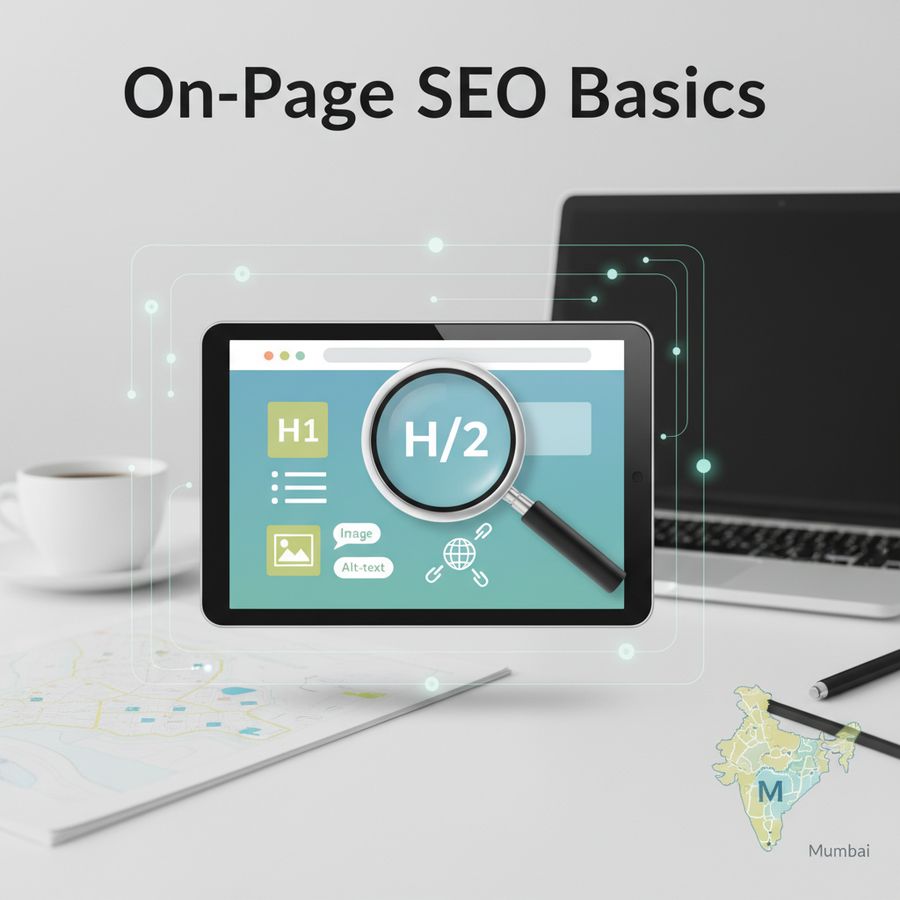
    On-page SEO is a critical component of any SEO strategy, involving the optimization of individual web pages to rank higher and earn more relevant traffic. For small businesses in Mumbai, mastering the basics of on-page SEO ensures that search engines and users alike find your website valuable and easy to navigate.

    Key on-page SEO elements include:

    • Title Tags: Craft descriptive and keyword-rich titles that accurately represent the page content and attract clicks.
    • Meta Descriptions: Provide concise summaries of your pages that entice users to visit your site from the SERPs.
    • Header Tags (H1, H2, etc.): Structure content logically using headers to improve readability and keyword relevance.
    • URL Structure: Use clean, descriptive URLs that include target keywords and are easy for users and search engines to interpret.
    • Content Optimization: Ensure your content is informative, original, and naturally incorporates relevant keywords without keyword stuffing.
    • Image Optimization: Use descriptive file names and alt tags for images to enhance SEO and accessibility.
    • Internal Linking: Strategically link to other relevant pages within your website to improve navigation and distribute link equity.

    Additionally, website speed, mobile-friendliness, and secure HTTPS protocols further improve your on-page SEO, creating a better user experience and boosting rankings.

    “Optimizing on-page elements creates a strong foundation for your SEO efforts, making your website more attractive to both users and search engines.”

    By focusing on these on-page SEO basics, small businesses can improve their website’s visibility and usability, resulting in higher engagement and conversion rates.

    Generated Image

    Link Building Techniques

    Link building remains a powerful SEO strategy to enhance a website’s authority and ranking potential. For small businesses in Mumbai, developing a strategic approach to acquiring quality backlinks can significantly boost their online presence and credibility.

    Effective link building involves earning links from reputable and relevant websites. Here are some proven techniques:

    • Local Partnerships: Collaborate with other Mumbai-based businesses, local bloggers, or community organizations to exchange links or guest post opportunities.
    • Content Marketing: Create valuable, shareable content such as blog posts, infographics, or videos that naturally attract backlinks.
    • Directory Listings: Submit your business to credible local directories and industry-specific platforms to gain authoritative backlinks.
    • Testimonials and Reviews: Write testimonials for vendors or partners which often include a backlink to your site.
    • Engage in PR Campaigns: Reach out to media outlets or news websites in Mumbai with press releases or stories about your business milestones.

    “Building a strong backlink profile signals to search engines that your website is trustworthy and relevant within your industry and locality.”

    It is essential to focus on quality over quantity when building links. Avoid spammy or irrelevant links, as they can harm your SEO performance. Instead, aim for links that drive referral traffic and align with your business goals.

    Tracking SEO Performance

    To ensure the success of your SEO strategies, continuous monitoring and analysis of your SEO performance is crucial. Tracking SEO metrics enables small businesses in Mumbai to make data-driven decisions and refine their tactics for better outcomes.

    Key performance indicators (KPIs) to monitor include:

    • Organic Traffic: The number of visitors arriving from search engines.
    • Keyword Rankings: Positions of your targeted keywords in search results.
    • Click-Through Rate (CTR): Percentage of users clicking your site from the SERPs.
    • Bounce Rate: The rate at which visitors leave your website after viewing only one page.
    • Conversion Rate: The percentage of visitors completing desired actions such as making a purchase or filling a contact form.
    • Backlink Profile: Quantity and quality of inbound links to your website.

    Tools like Google Analytics, Google Search Console, and specialized SEO software can provide detailed insights into these metrics. Regularly reviewing this data allows businesses to identify what’s working and where improvements are needed.

    “Tracking SEO performance is not a one-time task but an ongoing process essential for sustained growth and adaptation in Mumbai’s dynamic marketplace.”

    By adopting a consistent performance tracking routine, small businesses can stay agile, capitalize on successful strategies, and address challenges promptly.

    Conclusion

    Implementing effective SEO strategies is vital for small businesses in Mumbai seeking to enhance their online presence and attract local customers. By focusing on local SEO Mumbai, conducting thorough keyword research, optimizing on-page elements, building quality backlinks, and diligently tracking performance, businesses can gain a competitive edge in the digital landscape.

    Small business SEO is not merely about ranking higher in search results; it’s about connecting with the right audience in a meaningful way that drives engagement and business growth. Mumbai’s vibrant and diverse market offers numerous opportunities for businesses that invest wisely in their SEO efforts.

    For those looking to maximize their results, partnering with a reputable SEO company in Mumbai can provide the expertise and tailored strategies needed to succeed. With the right approach, small businesses can transform their digital presence, expand their customer base, and achieve remarkable growth in this competitive city.

  • How branding boosts small business growth

    Overview

    Branding small business ventures is a foundational strategy that can significantly impact growth trajectories. For startups and emerging companies, establishing a clear and compelling brand identity is not merely a marketing tool but a vital asset that shapes customer perceptions and builds lasting relationships. Startup branding involves crafting a unique voice, visual style, and emotional connection that differentiates a business in competitive markets.

    Successful branding goes beyond logos or color schemes; it embodies the entire experience a customer has with your company. It influences trust, loyalty, and ultimately, purchasing decisions. In today’s digital landscape, where consumers have countless options at their fingertips, a strong brand identity can turn casual visitors into devoted advocates.

    Small businesses that invest in branding reap benefits such as increased recognition, enhanced credibility, and the ability to command premium pricing. Moreover, a well-defined brand creates internal cohesion, aligning employees with the company’s mission and values. This alignment translates into consistent customer interactions and streamlined communication.

    “Your brand is the single most important investment you can make in your business.” – Steve Forbes

    Understanding the power of branding small business initiatives is crucial for entrepreneurs aiming to build sustainable growth. This overview sets the stage for exploring why branding is essential for startups, the elements that constitute effective branding, and how it stands apart from marketing. The following sections will delve deeper into these aspects, offering actionable insights and real-world examples to guide your branding journey.

    Generated Image

    Importance of branding for startups

    For startups, branding is a strategic imperative that lays the groundwork for long-term success. Unlike established companies with entrenched reputations, startups must actively create and communicate their brand identity to gain market traction. This process helps to establish credibility, build trust with early customers, and differentiate from competitors.

    Effective branding for startups does more than provide aesthetic appeal; it shapes how potential customers perceive the business’s values, personality, and promise. A strong brand can convey professionalism and reliability, which is especially important for new businesses seeking to overcome skepticism and uncertainty.

    In addition, branding fuels customer loyalty by creating emotional connections. Startups that articulate a clear mission and consistently deliver on their promises foster deeper relationships, encouraging repeat business and word-of-mouth referrals. This is vital when budgets for advertising and marketing are often limited.

    Startup branding also impacts internal culture. A well-defined brand inspires and motivates employees, aligning them with the company’s vision and guiding behavior. This alignment ensures that every interaction reflects the brand’s values, enhancing customer experience.

    Ultimately, the importance of branding for startups lies in its power to transform a fledgling idea into a recognizable and trusted entity. By investing in brand development early, startups create a platform for scalable growth and competitive advantage.

    Elements of effective branding

    Creating effective branding requires a holistic approach that integrates multiple components to form a cohesive brand identity. These elements ensure your brand resonates with your target audience and supports your business goals.

    Visual identity is often the first touchpoint customers notice. This includes your logo, color palette, typography, and design style. A compelling visual identity should be distinctive, memorable, and aligned with your brand’s personality.

    Brand voice and messaging define how your brand communicates. Whether formal, friendly, or innovative, your tone should be consistent across all platforms and reflect your company’s values and audience preferences. Clear messaging helps convey your unique value proposition and fosters connection.

    Customer experience is a critical element of branding. Every interaction—from your website’s usability to customer service—should embody your brand’s promise. Positive, consistent experiences build trust and loyalty.

    Brand positioning clarifies where your business fits in the market. It involves understanding your competitors and articulating what makes your brand unique and preferable. Effective positioning guides marketing strategies and customer targeting.

    Lastly, brand consistency across all touchpoints—from packaging and advertising to social media and in-person interactions—is crucial. Consistency reinforces recognition and trust, making your brand more reliable in the eyes of customers.

    • Distinctive logo and color scheme
    • Consistent tone of voice
    • Clear and compelling messaging
    • Quality customer experience
    • Strategic market positioning
    • Uniform brand application across channels

    Mastering these elements helps create a strong foundation that supports sustainable growth and competitive differentiation.

    Generated Image

    Branding vs marketing

    While branding and marketing are often used interchangeably, they serve distinct but complementary roles in business growth. Understanding their differences is essential for developing effective strategies for your small business.

    Branding is the process of defining your company’s identity—its core values, personality, promise, and visual representation. It answers the question, “Who are we?” Branding shapes how customers perceive your business and builds emotional connections that foster loyalty.

    Marketing, on the other hand, is the set of tactical activities designed to promote your brand and products to your target audience. It answers the question, “How do we communicate and sell?” Marketing includes campaigns, advertising, social media, content creation, and promotions.

    A strong brand serves as the foundation for all marketing efforts. It provides a consistent message and visual framework that marketing initiatives leverage to attract and engage customers effectively. Without a clear brand identity, marketing efforts may lack coherence and fail to create meaningful impact.

    “Marketing is telling the world you’re a rock star. Branding is showing the world you are one.” – Robert Jones

    For small businesses, especially startups, investing in branding first ensures that marketing campaigns are aligned and resonate authentically. Branding builds trust and recognition, while marketing drives awareness and sales. Both are necessary for growth, but branding is the strategic backbone that sustains long-term success.

    Case studies of successful branding

    Examining real-world examples of successful branding provides valuable insights into how small businesses can harness brand identity to fuel growth. These case studies illustrate the power of cohesive branding strategies.

    Case Study 1: Studio van Bergen – This design and marketing studio embodies a comprehensive branding approach that integrates graphic design, web design, and marketing under one roof. Their consistent visual identity and clear communication have positioned them as a reliable partner for startups and SMEs seeking cohesive brand and marketing solutions. Customer testimonials highlight their professionalism and creativity, reinforcing their brand promise.

    Case Study 2: Local Artisan Bakery – By developing a rustic, warm visual identity and storytelling that emphasizes tradition and quality, this bakery created a loyal customer base. Their consistent packaging, social media presence, and in-store experience reflect their brand’s authentic values, resulting in increased foot traffic and sales.

    Case Study 3: Tech Startup – A technology startup focused on innovative software solutions crafted a sleek, modern brand identity that appeals to a professional audience. Their consistent messaging around innovation and reliability, paired with user-friendly digital experiences, helped them attract investors and early adopters, accelerating growth.

    These cases demonstrate that effective branding small business efforts are tailored to the company’s mission and audience, leveraging consistency and authenticity to build trust and drive expansion.

    Tips for consistent brand identity

    Maintaining brand consistency is vital for reinforcing your business’s brand identity and ensuring it resonates with your audience over time. Here are practical branding tips to help small businesses uphold a unified presence:

    • Create a brand style guide: Document your visual elements (logo usage, colors, fonts) and tone of voice to ensure everyone applies them correctly.
    • Use consistent messaging: Align all communications—from social media posts to customer emails—with your brand’s core values and language style.
    • Train your team: Ensure employees understand your brand identity and how to represent it in interactions with customers.
    • Audit your channels: Regularly review your website, social media, packaging, and marketing materials for consistency.
    • Adapt without losing essence: Refresh your brand thoughtfully to stay current but keep the foundational elements intact.
    • Leverage professional design services: Consider working with branding experts to maintain a polished and cohesive look.

    Implementing these tips helps build a strong, recognizable brand that customers trust and prefer. Consistent branding is a continuous effort and a strategic investment in your business’s growth.

    Conclusion

    In conclusion, branding small business initiatives is a critical driver of growth and competitive advantage. Establishing a distinct and consistent brand identity helps startups and small enterprises differentiate themselves, foster customer loyalty, and communicate their unique value effectively.

    While marketing focuses on promotion and customer acquisition, branding provides the strategic foundation that shapes perception and trust. By understanding and implementing the elements of effective branding, small business owners can create a cohesive and memorable presence that supports scalable success.

    Embracing branding tips for consistency ensures your brand remains strong and relevant in a crowded marketplace. Real-world examples from diverse industries highlight the transformative power of well-executed branding.

    If you are ready to elevate your small business through powerful branding, consider partnering with professionals who can help translate your vision into a compelling brand experience that drives growth and builds lasting relationships.

  • How mitochondria influence fat burning and energy levels

    Overview

    Mitochondria are often described as the “powerhouses” of our cells, and this description is quite fitting given their crucial role in energy production and fat burning. These microscopic organelles are found within nearly every cell of the human body and are responsible for converting nutrients from the food we consume into usable energy. This energy fuels all bodily functions, from muscle movement to brain activity.

    Understanding how mitochondria influence metabolism and energy levels is essential for grasping their impact on overall health and weight management. When mitochondria operate efficiently, they not only help the body generate sufficient energy but also optimize the process of burning stored fat. Conversely, impaired mitochondrial function can lead to reduced energy levels, slower metabolism, and accumulation of excess fat.

    Recent scientific research highlights the connection between mitochondrial density and metabolic health. Studies have shown that people with higher mitochondrial levels tend to have leaner body composition and improved metabolic performance. This is because mitochondria play a pivotal role in oxidizing fatty acids, thereby directly influencing how effectively fat is burned for energy.

    “Mitochondria burn fat and fuel every part of our body to keep it running smoothly. So the more mitochondria you have, the more fat you burn.”

    In this article, we will explore the intricate relationship between mitochondrial function and fat metabolism, delve into how energy production occurs at the cellular level, recognize signs of low mitochondrial activity, and discuss practical ways to enhance mitochondrial energy for improved weight control and vitality.

    Generated Image

    Mitochondrial function in fat metabolism

    The primary role of mitochondria in the body is to generate energy through a process called oxidative phosphorylation. This process utilizes nutrients, particularly fats and carbohydrates, to create adenosine triphosphate (ATP), the energy currency of the cell. Fat metabolism is a key aspect of this, where mitochondria convert fatty acids into energy.

    Fatty acids stored in adipose tissue are broken down through beta-oxidation inside the mitochondria. This breakdown produces acetyl-CoA, which enters the citric acid cycle (Krebs cycle) to generate NADH and FADH2. These molecules are crucial for the electron transport chain, where the majority of ATP is produced. Efficient mitochondrial function ensures smooth fat oxidation, preventing fat accumulation and supporting a healthy metabolism.

    Impaired mitochondrial function can disrupt this process, leading to decreased fat burning and increased fat storage. For example, research shows that individuals with obesity often exhibit reduced mitochondrial biogenesis and activity in their adipose tissue, which contributes to metabolic dysfunction and weight gain.

    Furthermore, mitochondria are involved in thermogenesis, a process that generates heat by burning calories, notably in brown adipose tissue. This contributes to energy expenditure and weight regulation. Enhancing mitochondrial activity can stimulate this fat-burning thermogenic process, making it an attractive target for weight management interventions.

    • Breakdown of fatty acids via beta-oxidation inside mitochondria
    • Conversion of fat into acetyl-CoA for ATP generation
    • Role in thermogenesis and energy expenditure
    • Relationship between mitochondrial dysfunction and fat accumulation

    Overall, the ability of mitochondria to efficiently process and burn fat is central to maintaining a balanced metabolism and healthy body weight. Supporting mitochondrial health can therefore be a strategic approach to enhance fat burning and metabolic performance.

    Generated Image

    Energy production explained

    Energy production within mitochondria is a complex but elegantly coordinated biochemical process. At its core, mitochondria convert the chemical energy stored in macronutrients—carbohydrates, fats, and proteins—into ATP, which powers cellular activities. This conversion occurs mainly through three interconnected stages: glycolysis, the citric acid cycle, and the electron transport chain.

    Glycolysis takes place in the cytoplasm, where glucose is broken down into pyruvate. Pyruvate then enters mitochondria and is transformed into acetyl-CoA, which feeds into the citric acid cycle. Within this cycle, high-energy electrons are extracted and transferred to carrier molecules NADH and FADH2.

    The electron transport chain, embedded in the inner mitochondrial membrane, utilizes these electrons to pump protons and generate a proton gradient. This gradient drives ATP synthase to produce ATP. This entire process is known as oxidative phosphorylation. Because it requires oxygen, it is a highly efficient way to produce energy compared to anaerobic pathways.

    “ATP produced by mitochondria is the fundamental energy source that drives all biological processes—from muscle contraction to brain function.”

    Importantly, fats provide more ATP per molecule than carbohydrates, making them a dense energy source. Mitochondria are uniquely equipped to metabolize fatty acids via beta-oxidation, feeding the citric acid cycle and maximizing ATP yield. This is why mitochondrial function is closely linked to the body’s ability to burn fat effectively.

    Optimal mitochondrial function not only supports sustained energy but also reduces the production of harmful reactive oxygen species (ROS), which can damage cells if not properly managed. Supporting mitochondrial health through nutrition, exercise, and lifestyle choices helps maintain efficient energy production and overall metabolic balance.

    Signs of low mitochondrial activity

    Low mitochondrial activity can manifest in various ways, often impacting overall energy levels, metabolism, and health. Since mitochondria are responsible for generating the majority of cellular energy, their reduced function can lead to systemic fatigue and impaired physiological processes.

    Common signs of diminished mitochondrial function include:

    • Chronic fatigue: Persistent low energy and exhaustion even after rest.
    • Weight gain or difficulty losing weight: Slowed metabolism and reduced fat burning capacity.
    • Muscle weakness or cramps: Insufficient ATP production affects muscle performance.
    • Cognitive difficulties: Brain fog, poor concentration, or memory issues due to inadequate energy supply to neurons.
    • Increased susceptibility to illness: Compromised immune responses linked to mitochondrial inefficiency.

    These symptoms may arise from mitochondrial dysfunction caused by aging, poor diet, chronic stress, environmental toxins, or underlying medical conditions. Notably, studies have linked lower mitochondrial DNA copy numbers with higher visceral fat accumulation and metabolic diseases.

    Recognizing these signs early can encourage proactive measures to support mitochondrial function and improve metabolic health. Consulting with healthcare professionals is advisable if symptoms persist or worsen.

    Ways to boost mitochondrial energy

    Enhancing mitochondrial function is a promising strategy to improve energy production, accelerate fat burning, and support weight management. Several lifestyle and nutritional interventions are scientifically validated to promote mitochondrial biogenesis and efficiency.

    Here are effective ways to boost mitochondrial energy:

    • Regular physical activity: Aerobic exercises like walking, cycling, and swimming stimulate mitochondrial biogenesis and improve their function.
    • Balanced nutrition: Consuming antioxidants, healthy fats, and essential nutrients supports mitochondrial health. Foods rich in polyphenols and flavonoids (e.g., berries, green tea) enhance mitochondrial dynamics.
    • Supplementation: Certain natural compounds like Rhodiola, Maqui Berry, Astaxanthin, Amla, and Theobroma Cacao have been found to promote mitochondrial function and fat oxidation.
    • Stress management: Chronic stress impairs mitochondrial activity. Mindfulness, meditation, and adequate sleep help preserve mitochondrial integrity.
    • Intermittent fasting: This eating pattern can induce mitochondrial biogenesis and improve metabolic flexibility.

    “Supporting mitochondria with targeted nutrients and lifestyle habits can unlock your metabolic power and enhance fat burning.”

    Products like Mitolyn are formulated with a proprietary blend of exotic nutrients designed to support healthy mitochondria levels, thereby boosting metabolism and energy. Incorporating these approaches holistically can lead to better metabolic outcomes and overall well-being.

    Impact on weight management

    Mitochondria’s role in fat burning and energy production directly influences the body’s ability to manage weight effectively. Efficient mitochondrial function promotes the oxidation of fatty acids, thereby reducing fat stores and supporting a leaner body composition.

    When mitochondria are functioning optimally, they increase the basal metabolic rate, meaning the body burns more calories even at rest. This enhanced metabolic capacity helps prevent excess fat accumulation and facilitates weight loss when combined with proper nutrition and exercise.

    Conversely, mitochondrial dysfunction is often observed in obesity and metabolic disorders. Reduced mitochondrial content and activity impair fat oxidation, leading to fat buildup and metabolic slowdown. This creates a vicious cycle where excess fat further hampers mitochondrial health.

    Interventions that improve mitochondrial function can break this cycle by:

    • Increasing energy expenditure
    • Enhancing fat oxidation
    • Improving metabolic flexibility
    • Supporting hormonal balance related to appetite and fat storage

    Optimizing mitochondrial health is therefore a foundational aspect of sustainable weight management strategies, enabling the body to efficiently convert stored fat into usable energy and maintain vitality.

    Conclusion

    The mitochondria are indispensable cellular components that power the body’s energy production and fat metabolism. Their efficient function is key to maintaining a healthy metabolism, sustaining energy levels, and effectively managing weight.

    Understanding the science behind mitochondrial activity sheds light on why some individuals struggle with low energy and stubborn fat despite diet and exercise. Supporting mitochondrial health through evidence-based lifestyle choices, nutrition, and targeted supplementation can unlock metabolic potential and promote long-term wellness.

    “Enhancing mitochondrial function not only fuels your body with energy but also accelerates fat burning, paving the way to improved health and vitality.”

    By prioritizing mitochondrial support, you can take control of your metabolism, improve your energy levels, and achieve your weight management goals more effectively.